
Jeffrey K. Malcolm, Sr.

Operating Advisor · Private Equity · Technology

Jeffrey K. Malcolm, Sr.

I spent thirty years
running technology companies.
Now I help private equity
buy them, grow them, and sell them.

AI and data strategy, operational efficiency, and exit readiness for portfolio companies. Two-time CIO. Built and sold a $10M practice.

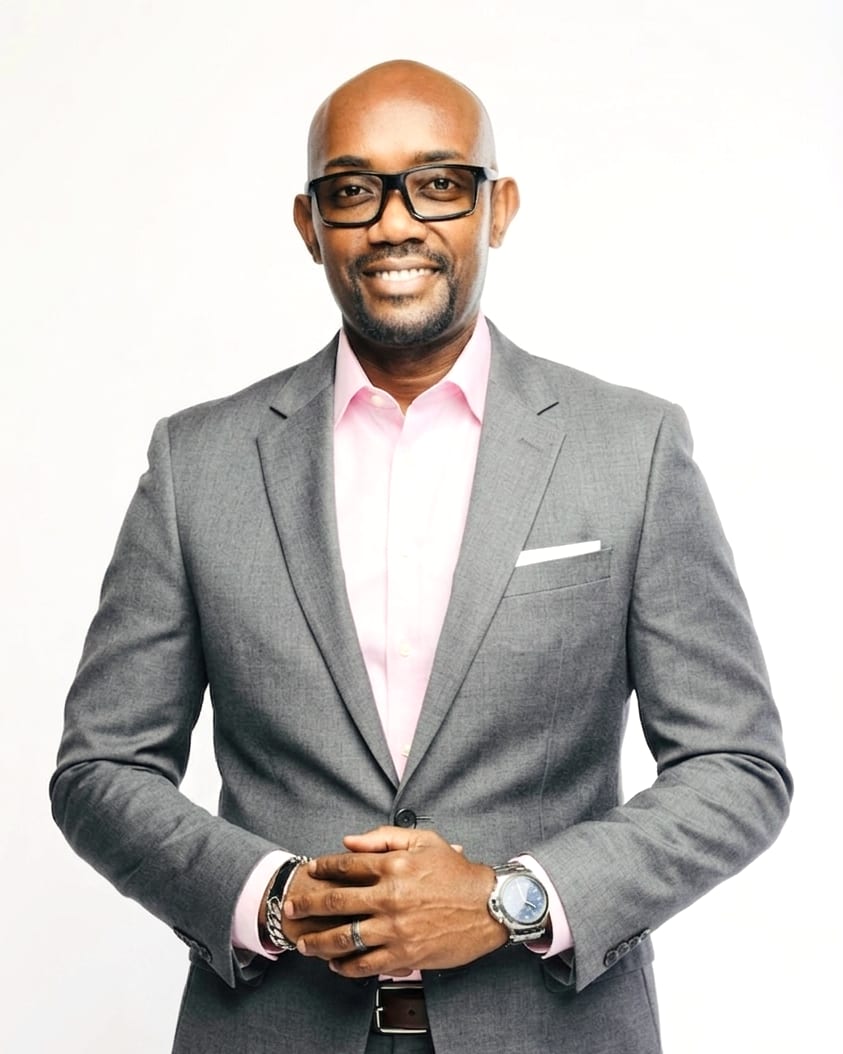
Jeffrey K. Malcolm, Sr. in a grey suit and pink shirt, hands clasped, looking into the camera

What I actually do

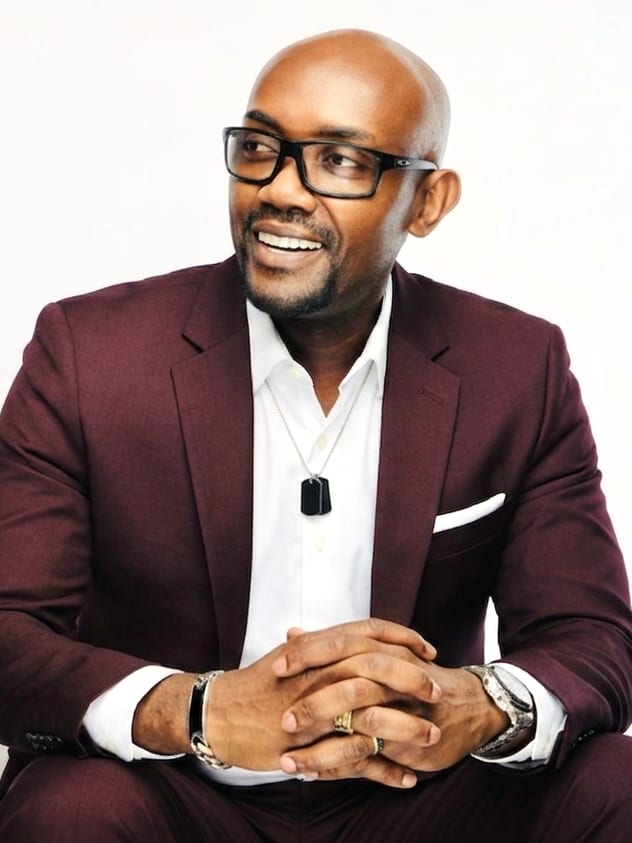
Jeffrey seated in a burgundy suit, hands clasped, mid-conversation

The Operator

revenue growth, built from zero

I've been a CIO twice, which means I've been the one who has to make the plan work after everybody in the room has already agreed to it. First for an agricultural supply chain sourcing from about a thousand farmers. Then for a global delivery organization carrying $60M a year across multiple continents.

Before that I spent five years building a services practice from $2M to $10M, and ran Coca-Cola's enterprise rollout into more than 200 countries.

I've been handed value creation plans that were beautiful in the deck and impossible in the org chart. That gap is most of what I work on now.
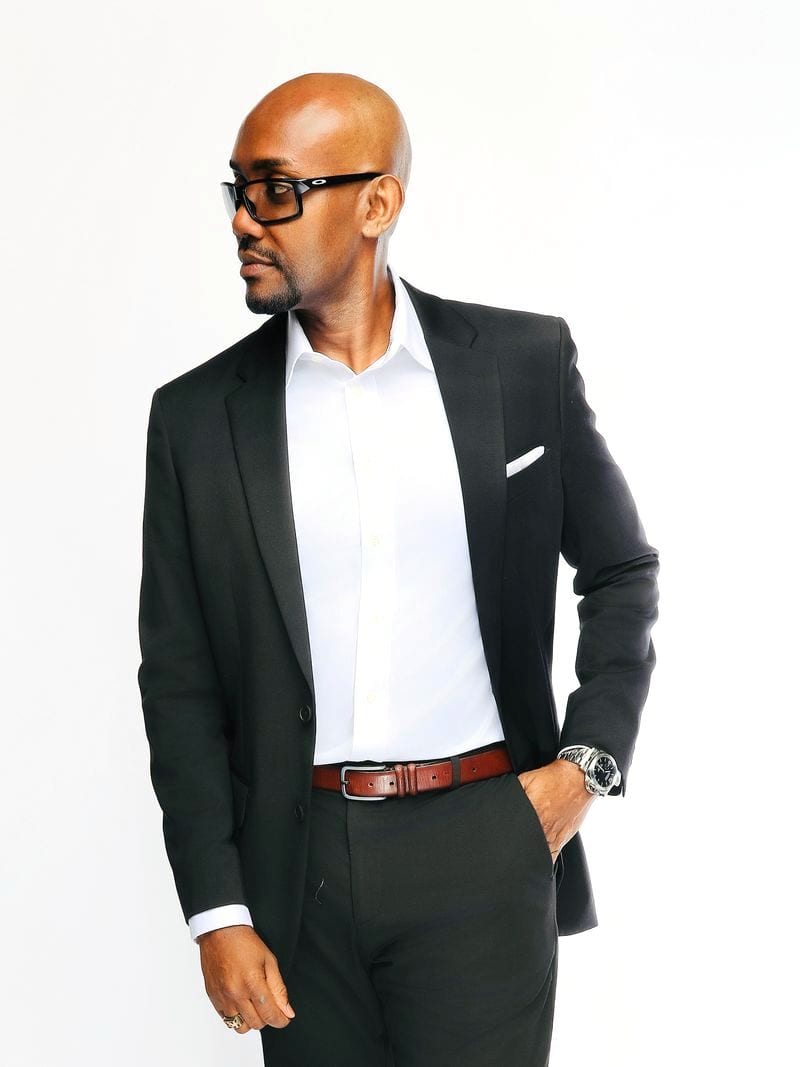
Jeffrey in a black suit, one hand in his trouser pocket, glancing away

The Advisor

$1–3B portfolio companies advised

Since 2022 I've worked with technology portfolio companies inside Goldman Sachs Asset Management's Value Accelerator, both before a deal closes and after. Diligence on targets. Then the harder conversation a few months later, once the excitement has worn off and somebody has to say out loud what the business can't do yet. After that comes the 100-day plan, and the AI and data work that's meant to open new revenue instead of quietly becoming another line in the budget.

Most of my job is measuring the distance between what the thesis assumed and what the company can actually deliver, and then helping close it.

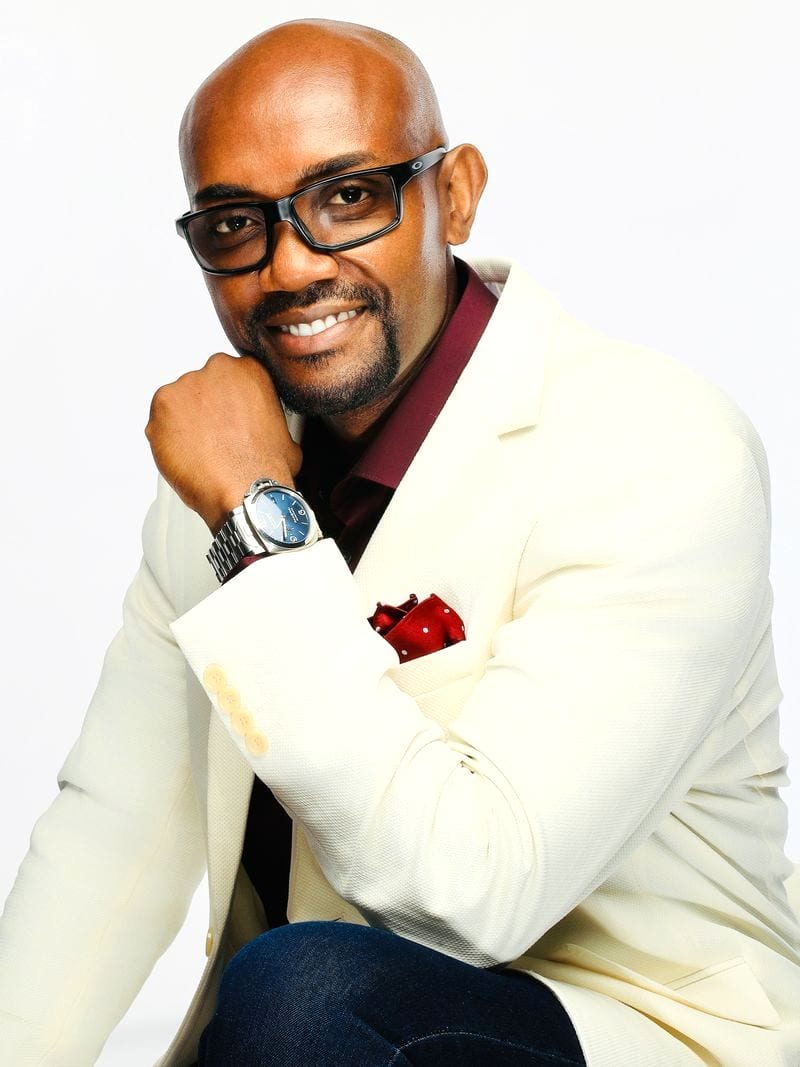
Jeffrey seated in a cream blazer, chin resting on his fist, smiling broadly

The Builder

$10M firm founded and sold

I started Qualesco in 2004, ran it for seven years, and sold the book of business in 2011. We did about $10M a year building software for T-Mobile, SunTrust, Shaw Industries, and HP's enterprise services group. I owned all of it: pricing, hiring, delivery, and the cash flow.

These days I sit on the board at Add Value Machine, a generative AI security platform, and I'm the fractional COO at One Planet Life.

Running your own P&L changes how you read somebody else's. The CEOs I work with now are making the same calls I had to make, and I tend to give their instincts more weight than the model does.

About

Thirty years
of the work.

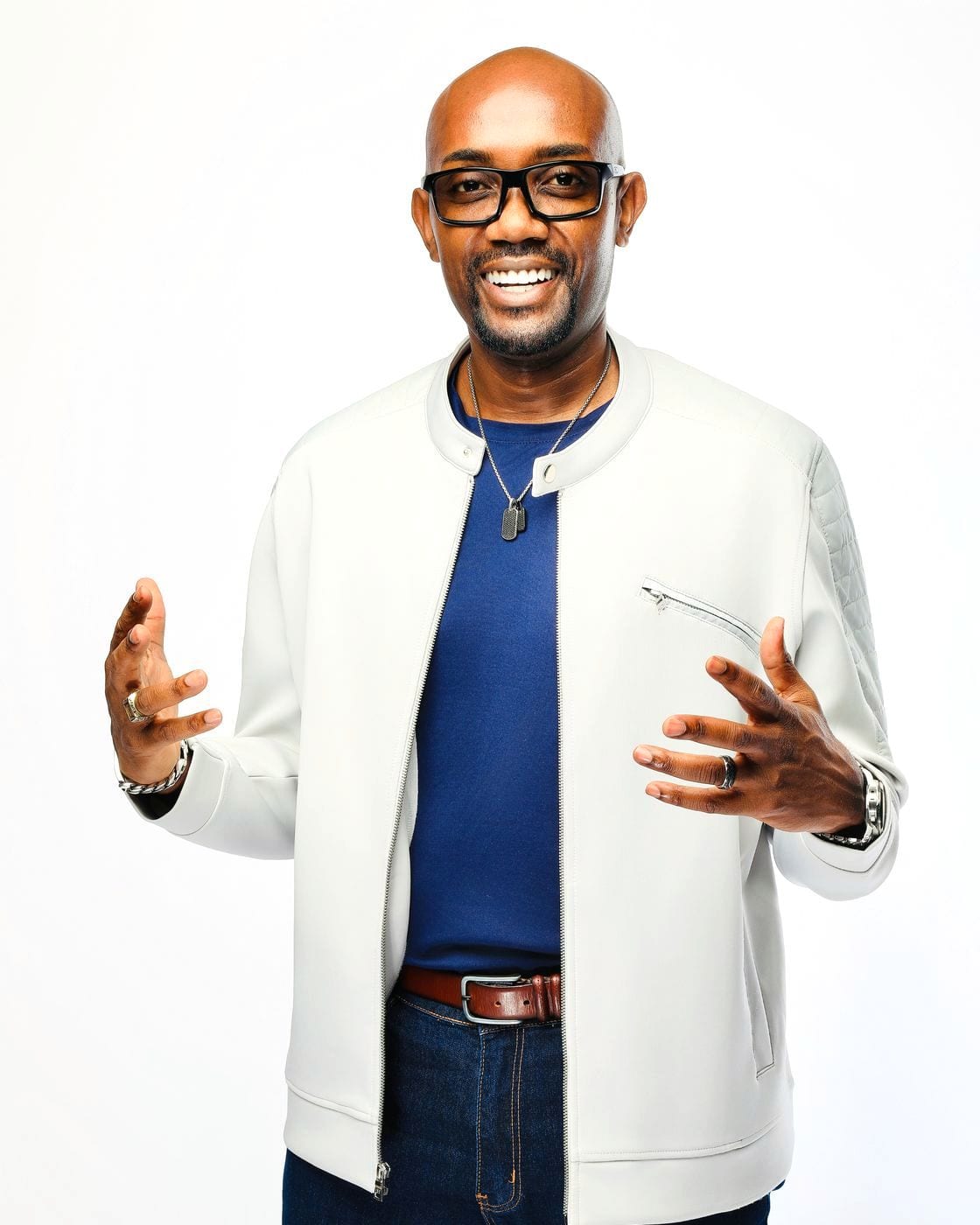
Jeffrey in a light bomber jacket over a navy sweater, both hands open mid-gesture

I went to MIT for chemical engineering, which is a strange door into enterprise software until you notice that both jobs ask the same question. Where’s the constraint, and is it the one everybody in the room is pointing at?

After that came two tours at Accenture, five years all in, then seven years running my own firm, then two turns as a CIO. Somewhere in the middle of all that I stopped being the person who builds the system and became the person who has to sit in a board meeting and explain why it hasn’t paid off yet. Both jobs are hard. The second one is lonelier.

That’s more or less what I do now. An investor walks in with a thesis, an operator walks in with a backlog, and the two of them are describing the same company in different languages. My job is getting them to the same picture while there’s still money left to spend.

Here’s the lens I bring to all of it: people are 70% of the solution, process is 20%, technology is 10%. AI doesn’t change that math. It just runs whatever’s already true about your team and your process, faster and more expensively.

How I think about every problem

People, process, technology.
In that order.

Ask me to fix a business and this is the lens I use. The percentages aren’t decoration. They’re where the value actually sits, and in my experience most transformation plans get the weighting exactly backwards.

People

The dominant factor, and the one most transformation plans underweight.

Right people in the right seats first, because everything downstream gets cheaper once that's handled.

Process

The right people define the right process. Not the other way around.

You can't install a process into an organization that doesn't have the people to run it.

Technology

Technology accelerates what is already working rather than substituting for it.

AI is the 10%, and it's only powerful when the first two are already true.

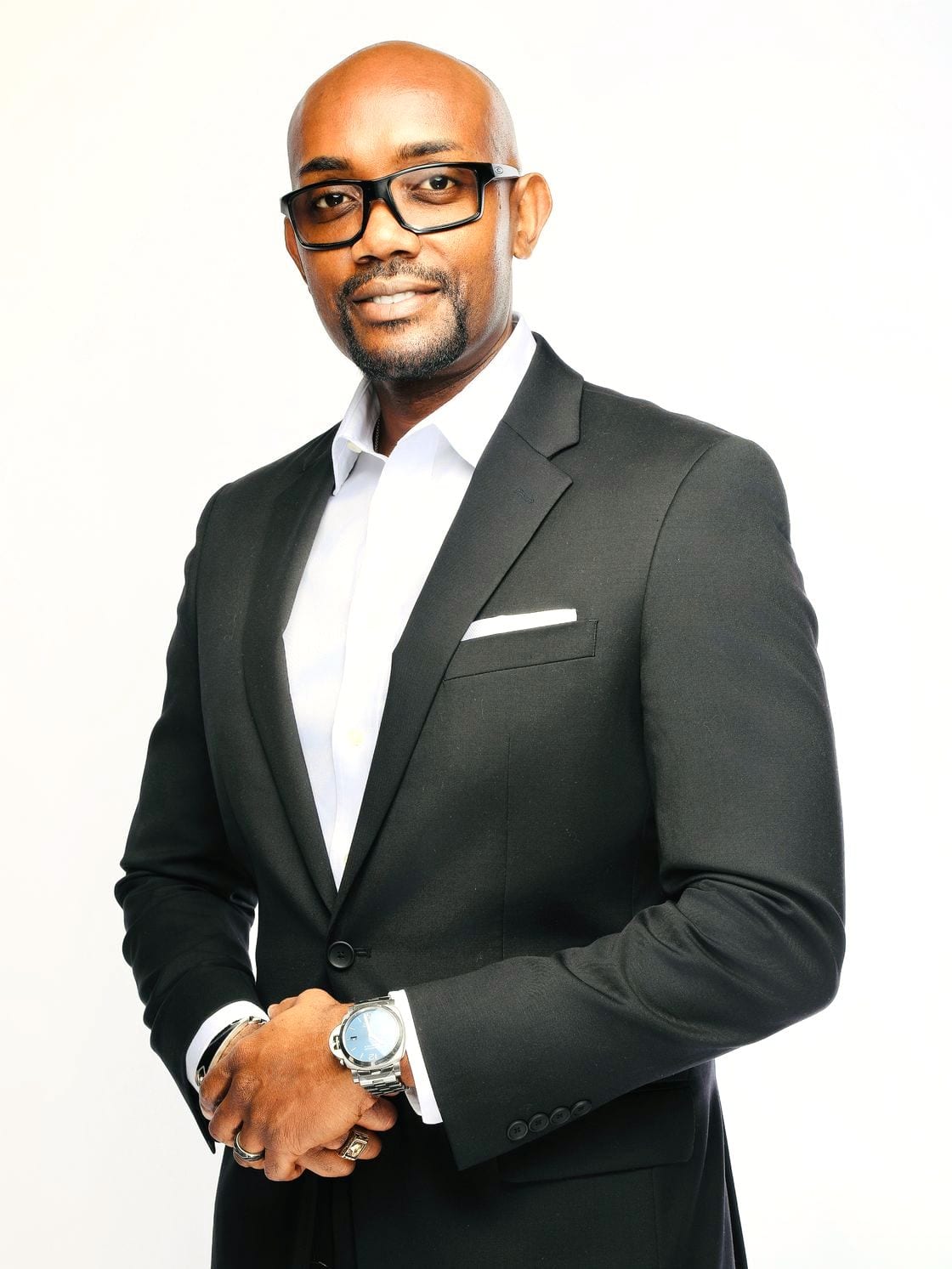
Jeffrey in a charcoal suit, hands clasped in front of him, looking into the camera

Most companies run this in reverse. They buy the technology first, then find out they needed the other 90%. AI programs don’t fail in the model. They fail in the org chart.

Selected results

Revenue growth

A services practice from $2M to $10M+, team past 40.

$60M

Revenue supported

Carried by the global delivery organization I built as CIO.

4

Global platforms

Portal, CRM, eCommerce and ERP, rolled out for Coca-Cola's 2020 Vision program.

92%

On-time delivery

Across 40+ enterprise cloud implementations.

$2.4M

Incremental revenue

From the digital sourcing platform I built at Thrive Farmers.

$10M

Founded and sold

Annual revenue at the practice I started in 2004, ran for seven years, and sold in 2011.

Jeffrey full length in a cream blazer and dark red shirt, standing to the right of an open field

Thirty years of building it
before advising on it.

Value creation in practice

One introduction.
Eighty times the revenue.

In 2024 we ran a technology leadership meeting in Seattle, and I spent most of one afternoon talking with the CIO of one of our portfolio companies. They built a product that belonged in one of the largest enterprise technology vendors in the world. They weren’t in it. Years earlier somebody on that vendor’s engineering side had ruled them out, and in all the time since, nobody had gone back to ask whether that call still held.

I knew people on the other side of that decision. So I made an introduction, and then a second one, further up.

That got them a hearing they hadn’t been able to get on their own. Their products went back through evaluation, cleared approval, and the orders followed.

  • 80× Account growth From roughly $1M to a projected eighty times that.
  • Top 4 Customer rank Now one of the company's four largest customers.
  • Multi-billion Carve-out A meaningful contributor to the carve-out of one business unit.

No technology roadmap produced that. It came from one long conversation and knowing who to call, which is the 70% doing its work.

Jeffrey playing a bunker shot toward the pin on a sunlit green

On the course

Four hours tells you
what a resume won’t.

I picked up golf about ten years ago and I’ve been hooked since. More than a few deals have come out of rounds I’ve played.

Four hours is a long time for anybody to keep up an act. You find out how somebody handles a bad lie, whether they count every stroke when nobody’s watching, and how they talk to the people working the course. By the back nine you usually know who you’re dealing with.

None of that shows up in a resume.

Writing

I write about
this every week.

Most of what I think about ends up on LinkedIn. AI inside enterprises and private equity portfolios: where it makes money, where it quietly burns it, and what to do about it Monday morning.

Read on LinkedIn

Work with me

Let’s talk.

I work with PE firms and their portfolio companies on value creation, operational diligence, AI and data strategy, and exit readiness. I also sit on boards and speak on AI in private equity.

If you’ve got a company that needs to grow, tighten up, or get ready for a sale, tell me where it’s stuck. I’ll tell you honestly whether I’m the right person for it, and I’ll say so if I’m not.

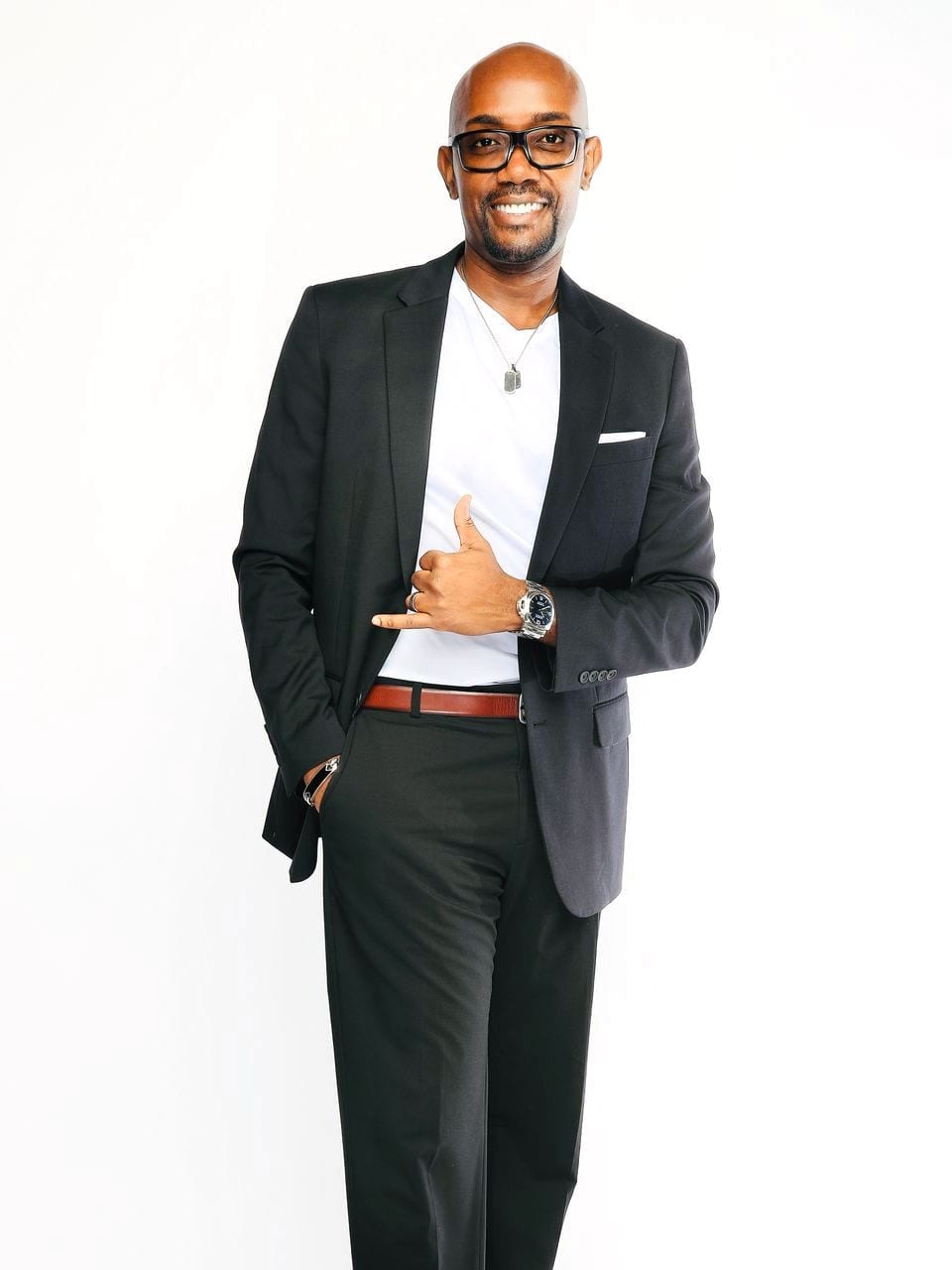
Jeffrey full length in a dark suit, one hand at his jacket, smiling